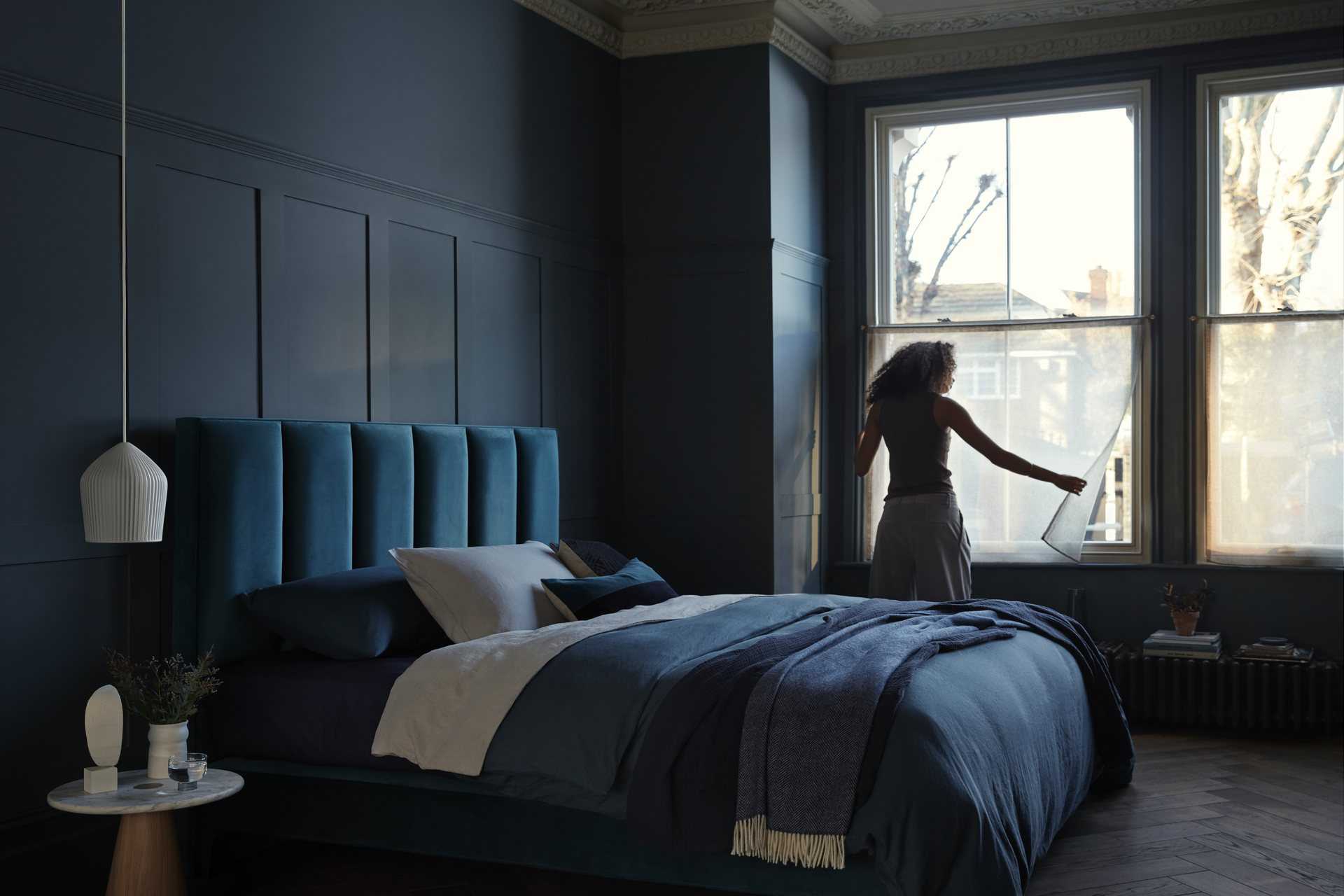
Royal-Pedic Premier Natural Latex Quilt-top Mattress

Choosing an Organic Mattress: Materials, Certifications, and Real-World Durability

An in-depth exploration of how to select an organic mattress that blends sustainable materials, credible certifications, and lasting comfort. This guide sifts through common claims, helping readers separate marketing from measurable performance, while grounding considerations in sleep science and real-world durability.

In the modern sleep landscape, the term organic on a mattress carries a promise: fewer synthetic additives, renewable materials, and a focus on health and environmental responsibility. But organic certifications alone do not guarantee a mattress will suit your body, sleeping position, or budget. The true measure lies at the intersection of material composition, certified standards, manufacturing practices, and the wearing-in of the mattress through years of use. This article offers a careful, methodical approach to choosing an organic mattress that remains comfortable, supportive, and durable as seasons change and time passes.

We begin with a working definition of organic in the mattress world, then move through the most meaningful certifications, explore how durability and comfort evolve over time, and conclude with practical steps, checklists, and a path to evaluating organic options in the market today. Throughout, the emphasis stays on evidence-based criteria, transparent testing where possible, and avoidance of marketing hyperbole that obscures the real tradeoffs between materials, price, and performance.
What qualifies as an organic mattress?

Organic mattress terminology can be inconsistent across brands, retailers, and regions. At its core, an organic mattress seeks to minimize synthetic additives and chemical exposures, favoring natural or organic-certified materials throughout the sleeping surface and its components. The most common organic materials include organic cotton, natural latex (often Dunlop or Talalay process), and plant-based or natural foams that avoid certain petrochemical adhesives. Wool layers may be included for temperature regulation and moisture management, while internal springs or coils can provide essential support in a sustainable frame.

Several questions help buyers assess organic claims without falling prey to marketing: What certifications back the materials? Are the materials fully organic from seed to final textile, or are certifications limited to select components? Are there chemical treatments, fire retardants, or adhesives used, and if so, are they disclosed and limited in scope? Does the mattress rely on flame barriers that are natural rather than chemical? Understanding these aspects helps form a grounded view of what “organic” means in practice for a given product.

Key certifications to look for and what they signify

Certifications provide third-party validation of claims regarding material composition, safety, and environmental impact. While no single certificate covers every aspect, a combination often offers a robust signal of integrity. The following certifications are widely recognized and frequently cited in the context of organic and natural mattresses:

  • GOTS (Global Organic Textile Standard) – Confirms organic status for textiles, including organic cotton or other natural fibers used in the mattress cover and any fabric components. GOTS also assesses social criteria and ecological considerations in the supply chain, aiming to ensure organic content is maintained through processing and finishing.
  • GOLS (Global Organic Latex Standard) – Applies to latex materials, verifying that the latex is organic from the source to the finished layer. It addresses the farming, processing, and certification of latex used in the mattress.
  • OEKO-TEX – A family of textile safety standards that test for harmful substances at various levels (Standard 100 covers textiles for human ecological safety; STANDARD 100, or related lines, can apply to textiles in the mattress). OEKO-TEX certification focuses on reducing chemical exposure in fabrics and components.
  • GREENGUARD – Evaluates emissions and indoor air quality, ensuring that the mattress materials meet thresholds for low chemical emissions and contribute to healthier indoor environments.
  • CertiPUR-US (where applicable) – Commonly associated with memory foam and polyurethane foams, CertiPUR-US verifies that foams are tested for low emissions of certain volatile organic compounds (VOCs) and absence of specific harmful substances. Some organic-oriented products may feature alternatives to CertiPUR-US or certifications that emphasize natural foams and low-odor formulations.

When evaluating certifications, readers should look for transparency about which components are certified and the scope of the certification. Some products may carry a GOTS label for the fabric cover but not for the entire mattress, while others may provide a more comprehensive certification across multiple layers. A credible organic mattress will typically present a clear, accessible certificate trail and provide detailed material disclosures, often supported by independent lab test results or third-party verifications.

Durability and comfort considerations for organic materials

Organic materials are chosen not only for their environmental credentials but also for their performance traits, including durability, temperature regulation, and tactile experience. Durability, in particular, is a function of material resilience, construction quality, and how well a mattress maintains its support and surface feel over time. Several material families commonly appear in organic mattresses, each with distinct life-cycle expectations:

  • Natural latex – Known for resilience, buoyant support, and relative durability. Latex cores can resist sagging and offer a springy, responsive surface. However, the exact durability depends on latex density, layering design, and quality of protective fabrics surrounding the core. A well-constructed latex mattress may retain supportive characteristics for many years, while cheaper formulations may show surface indentations or core compression earlier.
  • Organic cotton and wool blends – Natural fibers support the cover and top layers, contribute to breathability, and can help regulate temperature. The wear of fabric components tends to be influenced by weave density, thread count, and care practices. Wool offers natural flame retardant properties and moisture-wicking benefits, but its long-term loft depends on fiber processing and how the layers are assembled.
  • Plant-based foams – Some organic mattresses employ plant-based foams as alternative comfort layers. The durability of these foams is influenced by formulation and density. While plant-based foams can offer comparable feel to petroleum-based foams, their aging characteristics must be evaluated in terms of compression resistance and breakdown of viscoelastic properties over time.
  • Supports and springs – If a mattress uses innerspring or hybrid constructions, the coil system and edge support contribute significantly to long-term durability. The combination of latex or foam comfort layers with a sturdy coil system can yield a balanced profile that holds shape and supports various sleeping positions.

Real-world durability also depends on care, rotation, and weight distribution. Recurring factors such as body weight, sleep position, temperature, and humidity influence how a mattress performs over the years. A key practical measure is understanding the expected lifespan of the core materials, and whether the warranty provides coverage for significant loss of comfort or support, which can be an indicator of material aging. When possible, request density and firmness data, lifecycle testing results, and third-party lab reports to gauge longevity with greater confidence.

From claim to performance: how to assess organic assertions

To move beyond marketing, shoppers can adopt a structured evaluation approach that centers on measurable attributes. Consider the following framework:

  • Material disclosure: Ask for a complete bill of materials, including the specific latex type (GOLS-certified Dunlop or Talalay), the fiber content of the cover, and the presence or absence of chemical flame retardants. Confirm whether any adhesives or comfort foams use plant-based or low-VOC formulations.
  • Certifications and verification trail: Review the certificates and the scope they cover. Note whether the certification applies to the entire mattress or only to certain components, and verify the validity period and issuing body.
  • Independent testing: Seek third-party tests for emissions, chemical content, and durability. Transparent brands will share lab reports or summarize findings with sources cited.
  • Comfort and ergonomics: Consider firmness, density, and how the surface feels under your body. Organic materials can deliver different sensory experiences (soft, medium, firm) based on layering and construction. If possible, test prior to purchase or ensure a generous trial period with clear return policies.
  • Durability signals: Look for core materials and build quality that support long-term performance. Warranties that reflect a long-term commitment to maintaining comfort and shape are a positive signal.
  • Sustainability footprint: Understand the lifecycle of the materials, including a commitment to responsible sourcing, recycling programs, and disposal options that align with environmental values.

In practice, a credible organic mattress will not only present a transparent materials list but also offer accessible documentation that enables a buyer to verify claims. The best outcomes arise when manufacturers couple organic material sourcing with test results, independent reviews, and a straightforward consumer-facing narrative about how the mattress performs under real sleeping conditions—across different weights, positions, and climates.

Real-world selection framework for organic mattresses

To translate criteria into a practical shopping plan, consider the following step-by-step framework that blends research, testing, and thoughtful budgeting:

  1. Define priorities: Determine which organic attributes matter most to you—e.g., latex comfort, wool temperature regulation, low-VOC foams, or fabric certifications. Consider any health sensitivities or allergies when selecting materials.
  2. Set a budget and expected lifespan: Organic options span a wide price range. Establish a budget that reflects the value placed on materials, craftsmanship, and durability. Consider the expected lifespan of the core materials and the warranty coverage as a compensating factor for higher upfront costs.
  3. Review material disclosures and certifications: Collect product sheets and certification documents. Compare which components are certified, the process used to produce them, and any associated environmental claims. Look for completeness rather than partial certifications.
  4. Assess comfort with a structured trial period: Choose brands offering generous trial periods and clear return logistics. A longer trial fosters confidence in whether the mattress meets your long-term comfort expectations.
  5. Evaluate durability signals: Request information about expected durability, such as foam density, latex density, coil gauge, and edge support design. Compare these signals across products to gauge relative longevity.
  6. Plan for care and maintenance: Understand how to rotate or flip the mattress (if applicable), how to handle spills, and whether the cover is removable and washable. Maintenance practices can extend the life of organic materials.

In this thoughtful approach, organic mattresses become a study in materials science, sustainability ethics, and individual sleep needs. The goal is not to chase a universal standard of “organic perfection,” but to identify a product whose materials, manufacturing practices, and long-term performance align with your personal health, environmental values, and comfort preferences.

Case examples: where materials and certifications converge

While every shopper’s needs differ, a few illustrative cases demonstrate how organic certifications and real-world durability interact in practice. These scenarios emphasize materials, verification, and long-term comfort.

  • Case 1: Natural latex with GOLS and GOTS coverage – A mattress layering natural Dunlop latex with a GOTS-certified organic cotton cover, sealed with natural wool for temperature regulation. With GOLS verifying latex content, the core offers robust support and long-term resilience. The combination of natural materials and third-party certifications helps ensure chemical safety and environmental considerations while preserving a supportive, springy feel that remains comfortable for a wide range of sleepers.
  • Case 2: Organic cotton and wool mix with OEKO-TEX fabrics – A mattress built around an organic cotton shell and a wool-based flame barrier, with OEKO-TEX certified fabrics to minimize chemical exposure in textiles. Durable, breathable layers contribute to steady temperature management, while the natural fibers reduce allergen potential for sensitive sleepers.
  • Case 3: Plant-based foam alternatives with transparent testing – A hybrid construction that uses plant-based foams sourced with clear safety data and independent test results. The focus here is on emissions and regulatory transparency as a portal to trust, with durability influenced by foam density and layering strategy rather than marketing claims alone.

These scenarios illustrate that organic mattresses can offer compelling value when materials are properly sourced, certifications are robust, and performance is supported by data rather than marketing rhetoric. When shopping, readers should seek similar clarity and evidence, irrespective of brand prestige or price tier.

Product spotlight: meaningful options in the market

Across the market, a handful of products exemplify the integration of organic materials, credible certifications, and durability signals. The following product profiles highlight how such mattresses present themselves to informed buyers. Note that this section refrains from inventing claims; it references products that align with the article’s criteria and links to their official product pages for further verification.

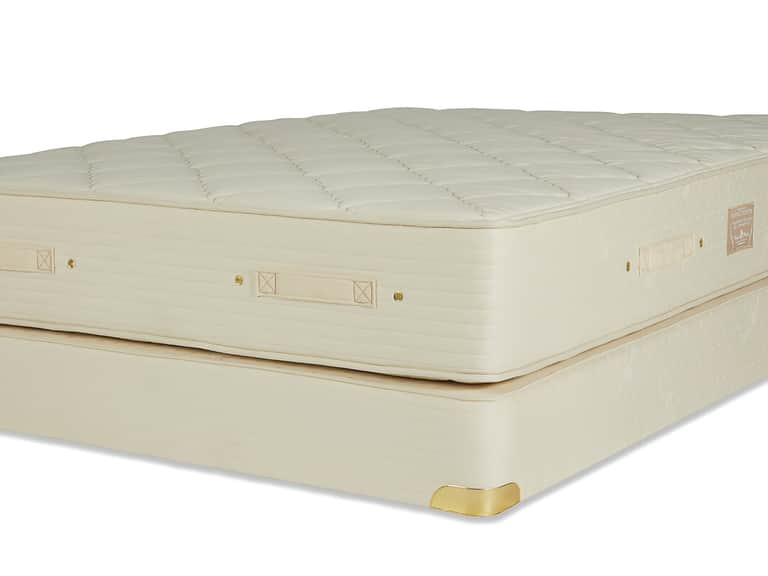
  • Royal-Pedic Premier Natural Latex Quilt-top Mattress – This mattress centers on a natural latex core surrounded by wool and organic cotton coverings, combining responsive latex with natural insulation properties. The construction emphasizes a balanced feel that can suit a range of sleep positions, with a durable core designed to hold shape over time. Link: Royal-Pedic Premier Natural Latex Quilt-top Mattress
  • Naturally Organic Hudson Latex Mattress – An eight-inch latex mattress built with GOLS-certified latex layers and GOTS-certified organic cotton, finished with organic wool. This model showcases a compact yet durable design intended to deliver consistent support and temperature regulation while maintaining organic fidelity across the core materials and outer fabrics. Link: Naturally Organic Hudson Latex Mattress
  • Vispring Regal Superb – While not exclusively marketed as organic, Vispring’s Regal Superb represents a high-end example of natural wool and cotton fillings paired with a hand-crafted spring system. It demonstrates how traditional, artisanal construction can be aligned with natural materials and a bespoke sleep experience. Link: Vispring Regal Superb

When reviewing these options, readers should weigh the materials, the presence and scope of certifications, and the long-term performance signals each product communicates. The combination of natural latex, organic textiles, and transparent documentation often marks a thoughtful, durability-focused approach to organic mattress design.

Final recommendations for prospective buyers

From a standpoint anchored in evidence-based evaluation, the following recommendations help align choices with both personal comfort and broader sustainability goals:

  • Prioritize transparent material disclosures and a complete materials list that includes all layers and components.
  • Seek multiple credible certifications that cover different aspects of the mattress, including materials, textiles, and emissions.
  • Consider the durability narrative—do you see density, layering, and engineering choices that support long-term performance?
  • Prefer brands offering clear warranty terms and generous trial periods to account for the subjective nature of mattress comfort.
  • Evaluate the overall environmental footprint, including sourcing, manufacturing practices, and end-of-life options for the mattress.

Organic does not automatically equate to perfection, but a thoughtful approach—rooted in material science, credible certification, and a honest appraisal of durability—can lead to a sleep surface that is healthier for the sleeper and gentler on the planet. The goal is a confident decision grounded in data, not declarations, so that your nightly rest reflects both informed care and enduring comfort.

Note: All information presented here adheres to a standards-based review framework, emphasizing transparent disclosures and verifiable certifications. Product links direct to official product pages as of publication date and may be updated over time.

Related Products

Royal-Pedic Premier Natural Latex Quilt-top Mattress

Royal-Pedic · No. PNLTXQ

Royal-Pedic Premier Natural Latex Quilt-top Mattress

Experience balanced support and plush comfort with natural latex, wool-wrapped layers, and breathable cotton. Flippable design, mold/mite resistant, and compatible with adjustable bases for personalized, luxurious sleep. Made in the USA.
Naturally Organic Hudson Latex Mattress

Naturally Organic · No. NO-HUDSON

Naturally Organic Hudson Latex Mattress

Experience pure, healthy sleep with Hudson Organic Dunlop Latex — 8" of balanced support, organic wool and cotton for temperature control, and dust-mmite resistance. Individual layers prevent shifting, lasting comfort and a 20-year warranty.
Vispring Regal Superb

Vispring · No. COVSMREBV

Vispring Regal Superb

Experience a cool, supportive night with independent spring comfort and luxurious, responsive wool layers that cradle you, reduce motion, and maintain edge-to-edge depth for lasting, year-round comfort.

Theme