Foam mattresses represent a category of sleep surfaces designed to contour to the body's shape, providing targeted support and pressure relief. Memory foam and polyurethane variants dominate this segment, with thickness and density influencing firmness, durability, and motion isolation. This page examines foam mattresses' core properties, reliability, and typical use cases for readers seeking informed comparisons.
Key features often include varying density foams, open-cell structures for temperature regulation, and transition layers that balance contouring with support. Benefits commonly cited are reduced motion transfer, improved spinal alignment, and customizable firmness profiles. Understanding these elements helps shoppers evaluate comfort preferences and long-term durability in foam-based options.
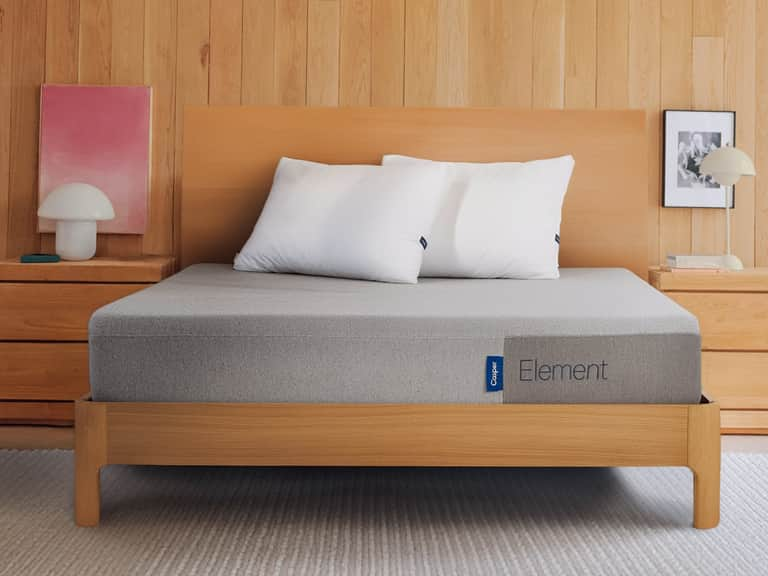
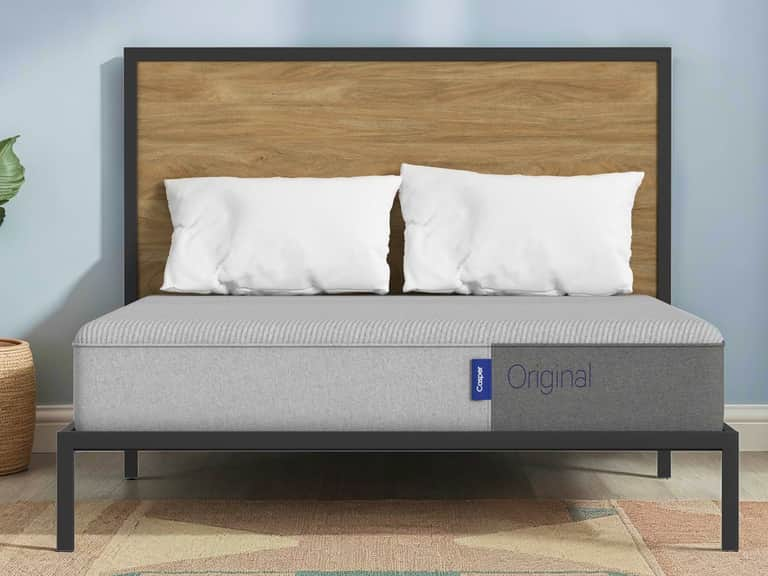
The Original Mattress and Element Mattress exemplify common foam configurations, illustrating how layer composition affects performance. The Original Mattress may emphasize substantial contouring and pressure relief, while the Element Mattress often highlights a balanced feel with responsive support. Both typically employ multi-layer foam systems to optimize comfort and stability.
When assessing foam mattresses, consider sleep position, body weight, and temperature sensitivity, as these factors influence perceived firmness and heat retention. Important metrics include density (often expressed in pounds per cubic foot), thickness, and the presence of transition or cooling layers. These criteria guide reliable comparisons across models and brands.
In the broader bedding context, foam mattresses interact with pillows, sheets, and organic mattress options to shape overall sleep quality. Evaluating compatibility with accessories such as memory foam pillows and breathable sheets can enhance comfort, while recognizing that organic mattress concepts may prioritize low-emission materials and sustainable foams for healthier sleep environments.
 Mattresses